
Cattle Finance
We arrange cattle finance in Australia for primary producers including breeder cattle finance, herd expansion finance, trading cattle finance, and stud bull finance, structured around your production cycle so repayments align with how and when your cattle generate income.
Get a Cattle Finance Quote
HOW IT WORKS
1. Submit Your Operation & Cattle Requirements
2. Receive Your Cattle Finance Options
3. Speak With an Agri Finance Broker
No obligation. Confidential. Prompt response.

1. Submit Your Operation & Cattle Requirements
Share details about your cattle enterprise, the class of stock being purchased (breeders, trading cattle, stud bulls), expected holding period, and funding requirements.

2. Receive Your Cattle Finance Options
We assess agricultural lenders and specialist cattle finance providers across Australia and present options aligned to herd value, turnover cycle, seasonal income, working capital requirements.

3. Speak With an Agri Finance Broker
Speak directly with an Agri Finance Broker to discuss your options and next steps. No obligation. 100% confidential. Prompt response.
Breeder Cattle Finance
Funding to expand or establish breeder herds, including cows, heifers, and replacement stock. Breeder cattle finance facilities are structured around calving cycles, weaning timelines, and projected sale proceeds — helping align repayments with revenue generation.
Stud Bull Finance
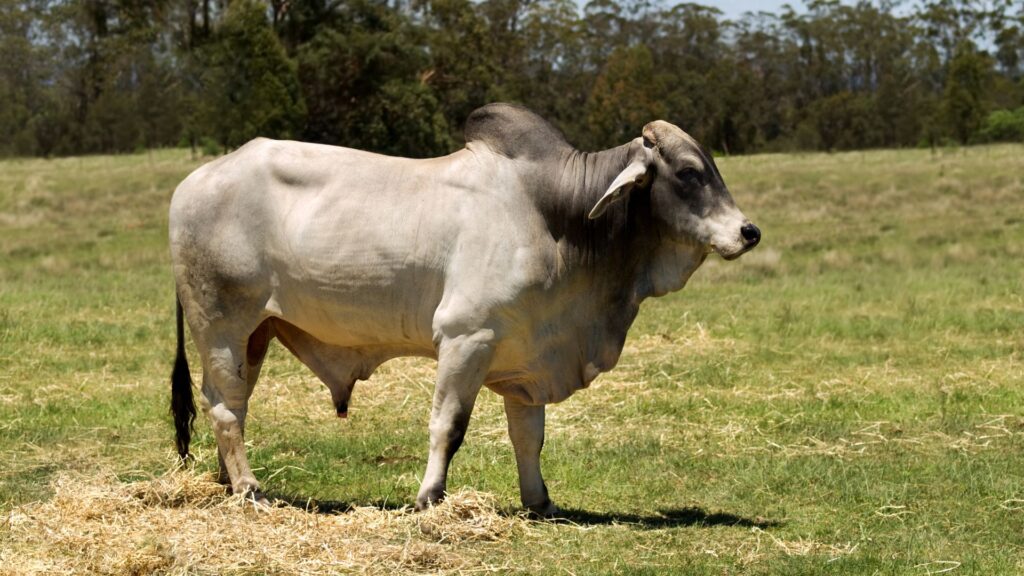
Finance for the purchase of stud bulls and high-value genetics to improve herd performance and long-term productivity. Stud bull finance can reflect working life, breeding contribution, and enterprise scale — particularly for seedstock producers and registered breeding programs.
Trading & Backgrounder Finance
Short- to medium-term trading cattle finance or backgrounder finance for producers purchasing stock prior to resale or feedlot entry. These facilities are structured around expected holding period and sale timing to manage cash flow effectively.
Feedlot Cattle Finance
Funding for cattle entering feedlot and finishing programs, structured around feeding duration and expected exit weight and sale proceeds. Feedlot cattle finance ensures working capital is available without placing pressure on monthly cash flow.
Restocking & Herd Expansion Finance
Restocking finance to rebuild herd numbers following drought, destocking, or enterprise expansion. Herd expansion finance can support long-term growth strategies across grazing operations.
Refinance & Cattle Loan Review
Review existing cattle loans or livestock loans for cattle to explore reduced repayments, improved seasonal alignment, consolidation of multiple facilities and improved cattle working capital structure.
Explore Ways to Improve Cash Flow & Herd Growth
The right cattle finance structure may:
📞 1300 919 015 – Speak With an Agri Finance Broker
No obligation. Confidential. Prompt response.

Cattle Finance Insights
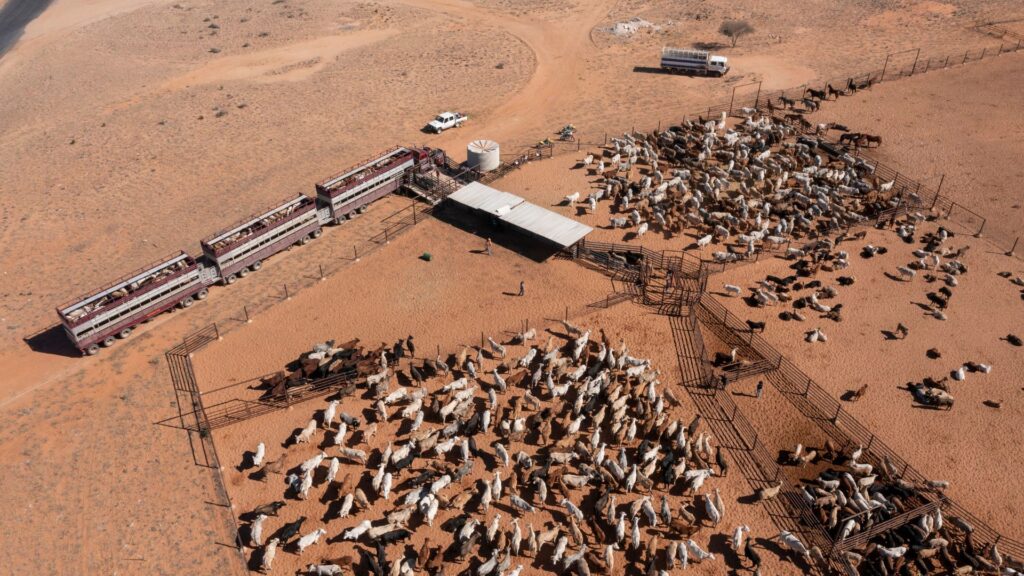
How Cattle Finance Works in Australia: A Guide for Breeder & Trading Operations
IMPORTANT INFORMATION
All finance solutions are subject to credit assessment, satisfactory supporting documentation, and lender approval criteria. Terms, conditions, fees, and charges apply. This information does not take into account your objectives, financial situation, or needs. You should consider whether the product is appropriate for you and seek independent financial advice.