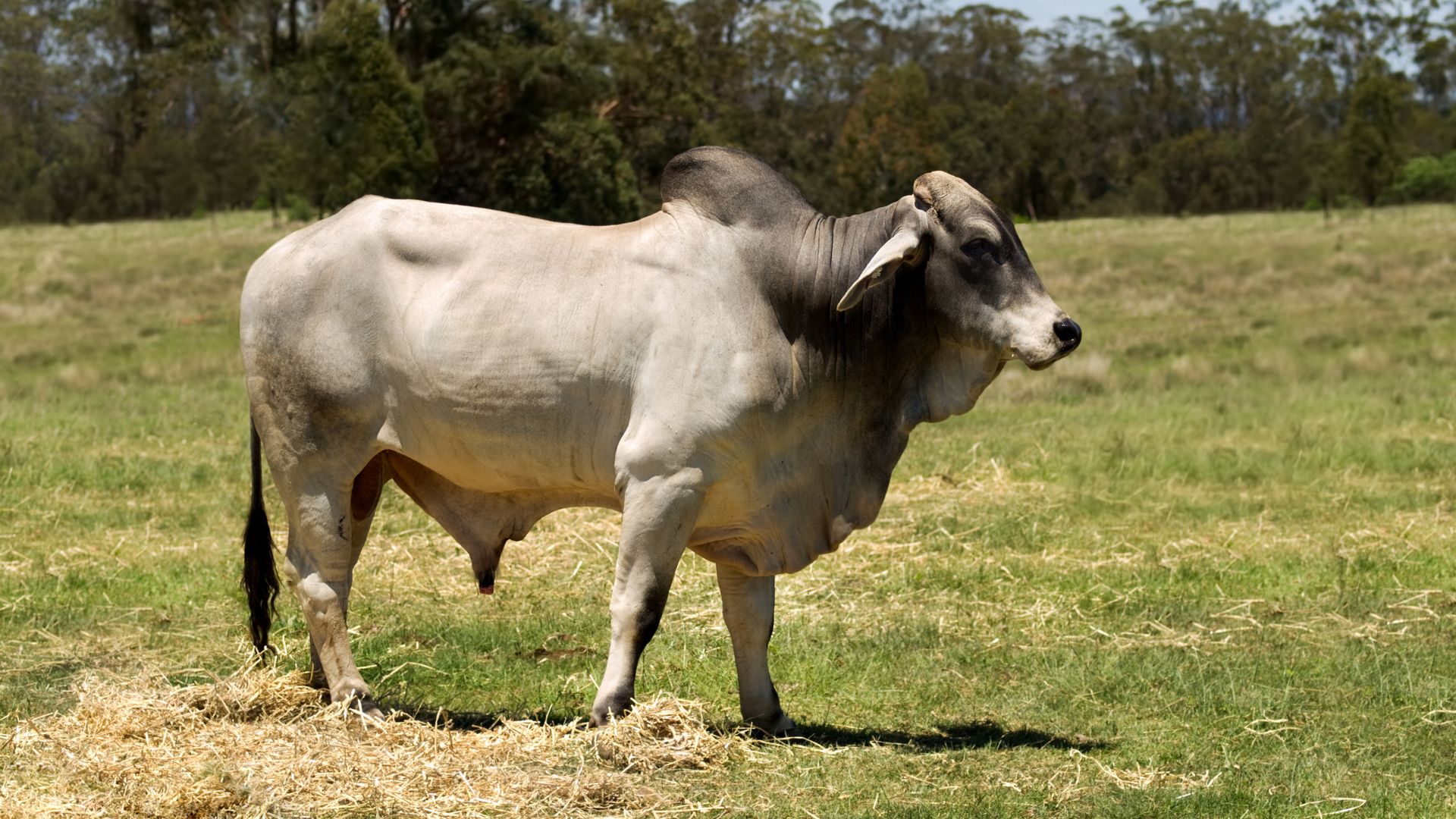
Stud Bull Finance Explained: Funding High-Value Genetics Without Cash Flow Pressure
Stud bull finance is a structured loan for purchasing registered bulls and high-value genetics, with repayments typically aligned to joining seasons and calf crop revenue rather than requiring full upfront capital.
Investing in stud bulls is one of the most important capital decisions in a breeder cattle enterprise. High-quality genetics influence fertility, growth rates, carcass performance, and long-term herd productivity.
However, registered stud bulls and performance-tested sires can represent a significant upfront investment. Stud bull finance provides a structured way to fund these purchases while aligning repayments with the productivity gains, they are intended to generate.
Understanding how stud bull finance works allows producers to invest in herd improvement without placing unnecessary strain on cash flow.
Why Stud Bulls Represent Long-Term Capital Investment
Unlike trading cattle, stud bulls are not short-term assets. They contribute to:
- Calving performance
- Weaning weights
- Feed efficiency
- Market suitability
- Long-term genetic direction
A single bull may influence multiple joining seasons and contribute to herd productivity for years.
Because of this, funding structures should reflect working life and long-term contribution rather than short-term resale cycles.
What Is Stud Bull Finance?
Stud bull finance is a specialised form of cattle finance used to fund the purchase of:
- Registered stud bulls
- Performance-tested sires
- High EBV genetics
- Seedstock purchases
It may also form part of broader breeder cattle finance where herd improvement is central to enterprise strategy.
Rather than requiring full upfront capital payment, a structured stud bull loan allows producers to:
- Spread cost over time
- Align repayments with income cycles
- Preserve working capital
- Maintain liquidity for operational expenses
How Stud Bull Finance Is Structured
Stud bull finance in Australia is typically structured around:
- Expected working life of the bull
- Joining seasons
- Projected calf crop revenue
- Enterprise cash flow
For breeder enterprises with defined calving seasons, repayments may be aligned to:
- Weaning sales
- Annual sale windows
- Seasonal revenue events
The objective is to ensure the genetics investment supports long-term productivity without creating short-term financial pressure.
Why Cash Flow Alignment Matters
Stud bulls are often purchased at:
- Annual bull sales
- On-property sales
- Seedstock auctions
These events occur at fixed times, often before revenue from the next calf crop is realised.
Without structured finance, this timing mismatch can impact liquidity, particularly in enterprises already managing seasonal variability.
Stud bull finance helps align repayment timing with income generation rather than purchase date.
The Role of Genetics in Enterprise Growth
Investing in improved genetics may lead to:
- Higher weaning weights
- Improved fertility rates
- Greater feed conversion efficiency
- Stronger market alignment
- Long-term herd improvement
While these gains are realised over time, the financial outlay occurs immediately.
A structured cattle finance facility can support this long-term strategy while maintaining operational stability.
Stud Bull Finance vs General Cattle Loans
Although stud bull finance sits under broader cattle finance, it differs from trading or feedlot funding.
Stud bulls are:
- Productive breeding assets
- Long-term contributors to herd value
- Not intended for short-term resale
Therefore, repayment structures often differ from trading cattle finance, which is based on rapid turnover and defined sale windows.
Stud bull loans should reflect productive lifespan rather than immediate resale assumptions.
When to Consider Stud Bull Finance
Stud bull finance may be appropriate when:
- Expanding breeder herd numbers
- Replacing ageing sires
- Improving herd genetics
- Transitioning to higher-performance bloodlines
- Preserving working capital during growth phases
Producers often weigh the productivity benefits of improved genetics against the impact on cash flow.
Structured finance can provide a balanced approach.
Risk Considerations
As with all livestock funding, lenders assess:
- Enterprise performance
- Herd management capability
- Cash flow projections
- Seasonal risk
- Market exposure
Because stud bulls are biological assets, risk management remains an important consideration.
Accurate record keeping, herd performance tracking, and clear breeding strategy can strengthen funding applications.
Integrating Stud Bull Finance into Broader Breeder Strategy
Stud bull purchases are often part of a larger herd improvement plan.
Funding may sit alongside:
- Breeder herd expansion finance
- Replacement heifer programs
- Working capital facilities
When structured properly, these facilities work together to support enterprise growth rather than compete for liquidity.
Long-Term Impact on Enterprise Value
Improved genetics may contribute to:
- Increased sale weights
- Improved calf quality
- Greater market access
- Stronger long-term profitability
While finance supports the initial acquisition, the objective is sustained herd performance.
Understanding the role of stud bull finance in broader breeder cattle finance helps ensure funding decisions align with long-term enterprise goals.
Discuss Your Stud Bull Finance Options
Investing in high-value genetics can influence herd performance for years. Structuring finance around joining seasons, calf crop revenue, and enterprise cash flow is important.
If you are considering purchasing a stud bull or reviewing your breeder finance structure, contact Sirius Capital Finance for a confidential discussion.
📞 Call 1300 919 015
Or submit an enquiry to explore your stud bull finance options.
No obligation. Prompt response.